
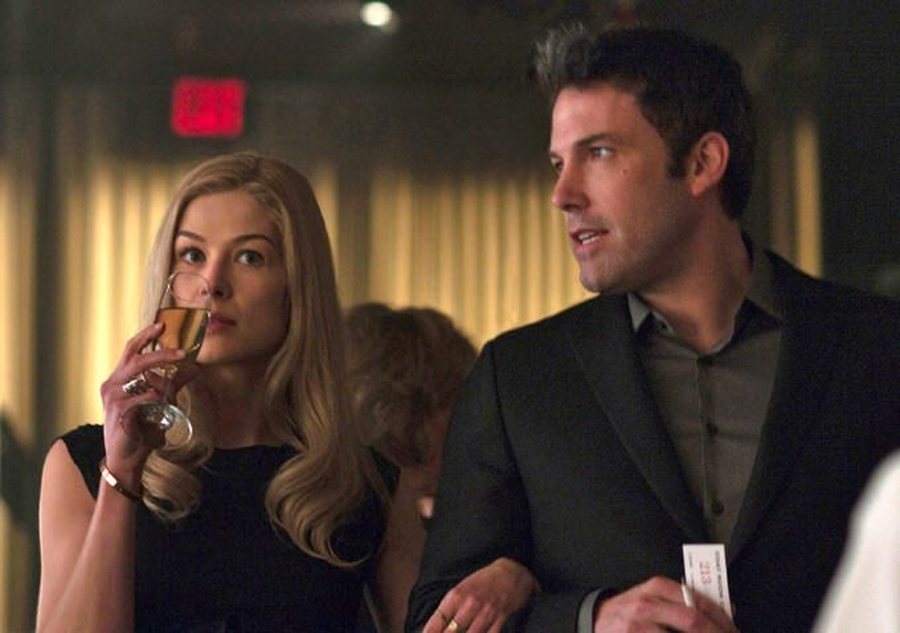
Verbal abuse is often difficult to spot in a relationship, but it can be just as devastating as physical violence. Because the “wounds” are not visible, many people don’t immediately realize they are dealing with a form of psychological abuse. In many cases, this behavior is disguised as a joke, humor, or a normal reaction to an argument.
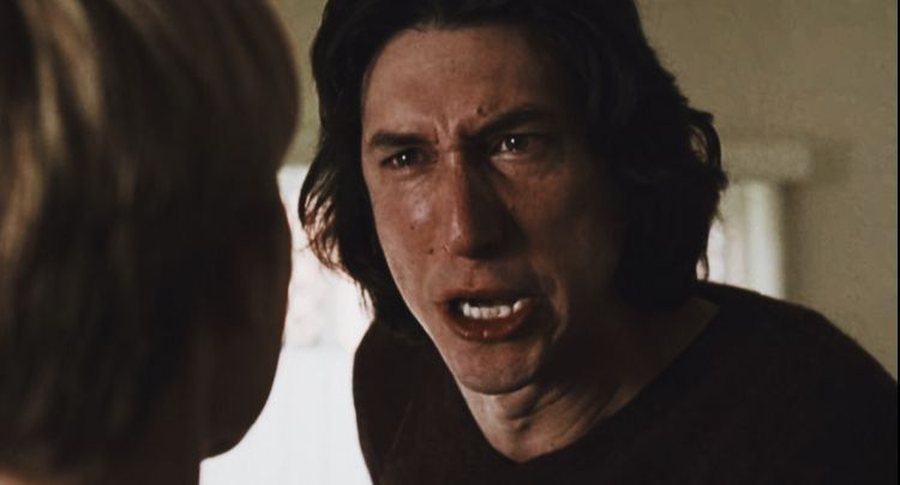
When we hear the word “abuse,” our minds usually go to physical violence. However, verbal abuse can have a profound impact on a person’s psychological well-being. Abusers often camouflage their behavior by portraying it as something trivial or humorous, which makes it even more difficult to identify the problem.
Below are five common signs that may indicate that a person is experiencing verbal abuse in their relationship.
1. You always think twice before speaking.
If during conversations with your partner you constantly feel like you have to choose every word very carefully to avoid tension or shouting, this is a warning sign. When fear of the other person's reaction keeps you silent, the relationship may not be healthy.

2. The relationship no longer brings you satisfaction.
In a healthy relationship, you should feel good and at peace. If you can't remember the last time you had a good time together and most of your moments are dominated by fighting, yelling, and insults, this could be an indication of a deeper problem.
3. Your words are constantly distorted
Another common sign is manipulation of your words. If every time you express an opinion or argument, your partner changes the meaning of your words and you end up being the "guilty one," it could be manipulative behavior.
4. Intuition tells you something is wrong
Often, gut feelings are an important indicator. If you often think that it would be better to leave the relationship or feel that something is wrong, even if you can't define it exactly, it's important to take this feeling seriously.

5. Insults as "jokes"
People who experience verbal abuse often hear phrases like: “It was just a joke,” “Don’t take it so seriously,” or “Why are you reacting like that?” These comments can make the victim doubt their own feelings and feel like they are overreacting.
Experts point out that verbal abuse can have serious consequences on self-esteem and mental health. Therefore, recognizing these signs is the first step to understanding the situation and seeking support if necessary.
-

-

-

Signs that you have a toxic relationship with yourself
March 6, 19:10


