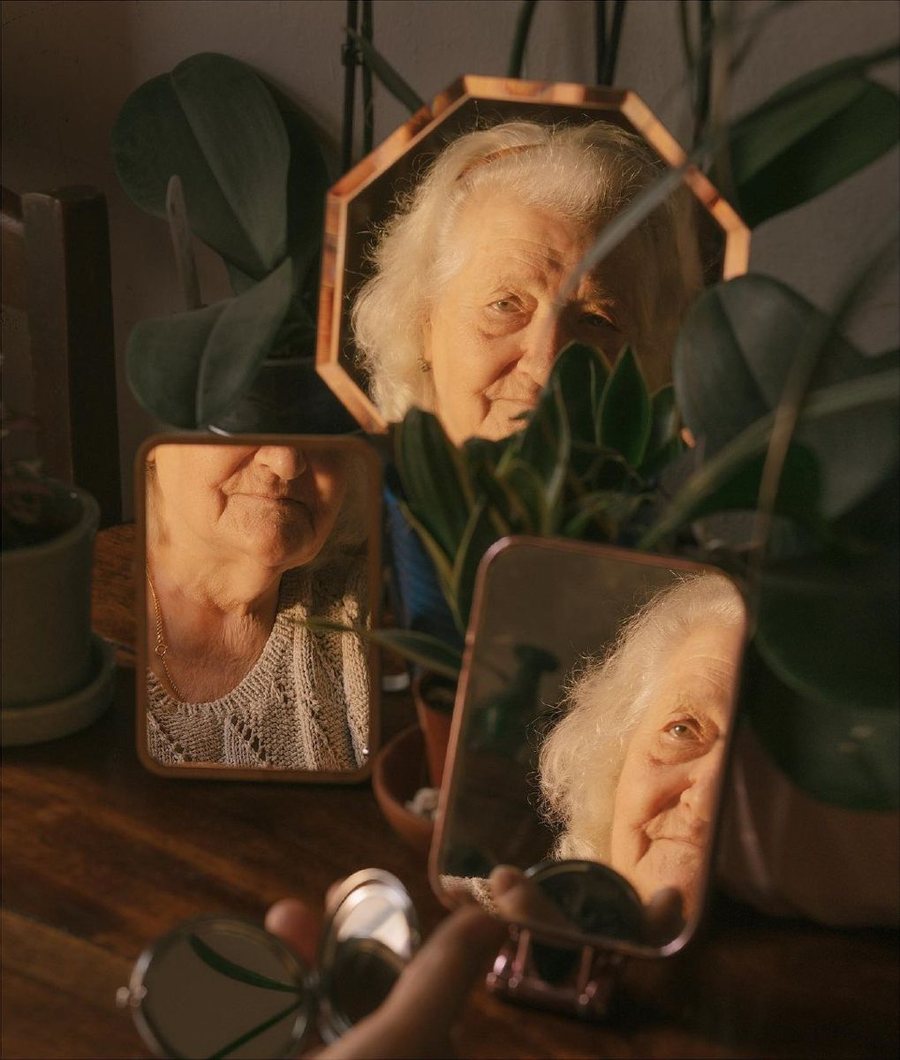
An elderly woman stands in the hallway and looks toward the door. “I want to go home ,” she says. She has spent decades in that apartment, everything around her is familiar, the pictures are in their place. When her son answers, “Mom, you’re home ,” she worries. For others, it’s a place. For her, it’s no longer a feeling.
Another story involves a woman we will call Mrs. B. She was not hospitalized for dementia at first, but for another physical problem. At first glance, she seemed calm and orderly. But little by little, small details began to be noticed: she was constantly arranging her clothes, folding them and putting them away again, and before meals she could sit for minutes staring at her plate, as if she had forgotten how to start eating. It wasn't that she wasn't hungry, she just didn't remember the process.
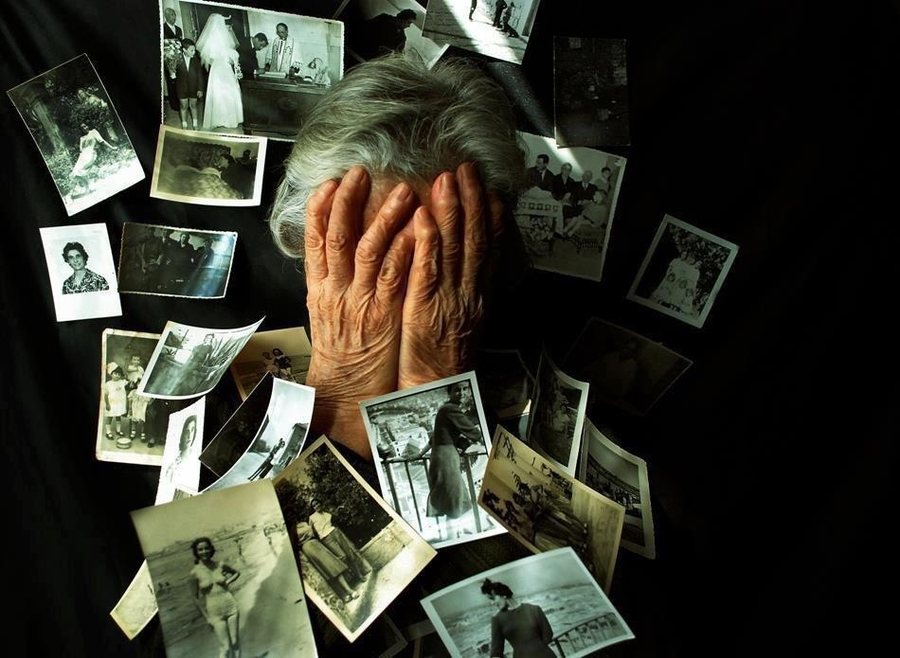
It was later discovered that she lived alone and had been isolated for months, without daily contact with other people. No one had noticed how much she had changed. But after a few days in a structured environment, something changed: she began to adapt to the routine, to recognize the faces of the staff, to understand the schedules. And one day she said something that makes you reflect: “I don’t want to go home . ”
This sentence changes the way we understand dementia. Home may provide freedom, but not always safety, structure, or a sense of belonging. Sometimes, what a person seeks is not a physical place, but a sense of stability and familiarity.
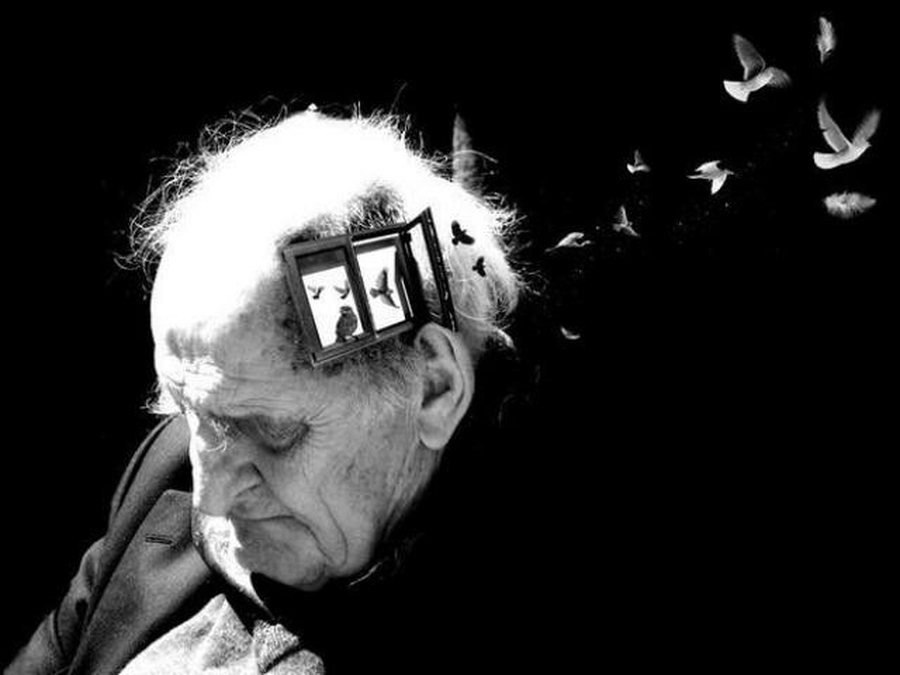
Dementia is not a normal part of aging, as is often thought. It is a progressive brain disease that affects memory, thinking, behavior, and communication. When a loved one begins to forget, it is not a matter of “age,” but a condition that requires understanding and care. Their behaviors are not choices, they are a consequence of the disease.
Often, the phrase “I want to go home” is not about an address. It is a request for security, for a place where they once felt useful, loved, and accepted. Responding with “you’re home” can confuse them even more. What helps is empathy: “I understand, I’m here with you . ”
Even when memory fades, emotions remain. A person with dementia may not remember names or faces, but they feel the tone of voice, the respect, the care. So the way we stand by them matters more than any words.
In the end, understanding this situation changes everything: it's not about correcting their reality, but about entering their world, with patience, understanding, and empathy.
-

-

Beware! This kitchen mistake could increase your risk of dementia
March 11, 2:36 PM -