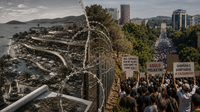
When Albania passed changes to the law on protected areas, the debate initially took place as it always does: in the camps. One side said “economic development,” the other said “environmental destruction.” Then came the projects one after the other and the billions of euros in investments, and the same sentence was repeated in different forms.
It should be said that the discussion should not be whether Albania should have good hotels or resorts. Of course it should. Not even if luxury tourism is not the enemy. The question should be straightforward: Who decides what happens to our country?
The Adriatic and Ionian Seas are not only our assets; the mountains are not only potential; an uninhabited island is not only a development opportunity. All these assets that nature has “forgiven” to us are a common home. But when a country that does not know how to set rules for its own house, sooner or later it wakes up as a guest within it.
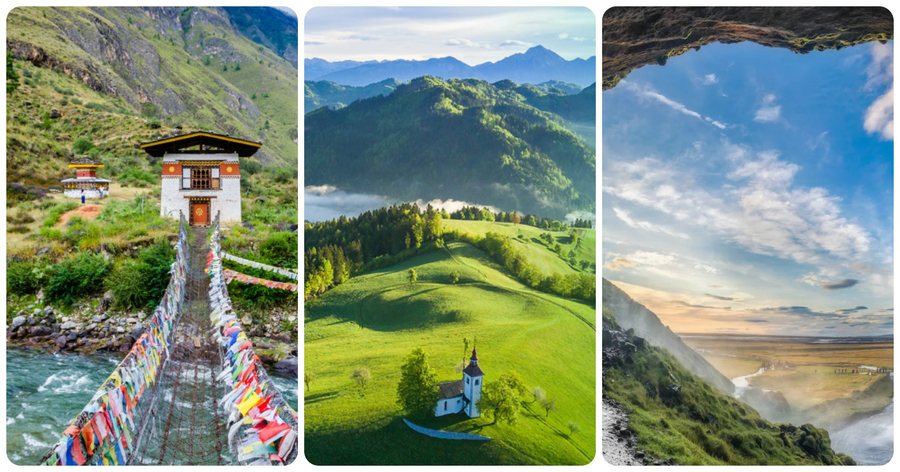
Below we have brought 3 examples of small countries that chose identity over profit and won twice.
Bhutan: the country that decided it wouldn't be measured by money alone
Bhutan is a small mountainous country in the Himalayas, with fewer than a million inhabitants. This country has no fabulous Mediterranean coastline, no Rivieras, no islands that sell themselves to the imagination of strategic foreign investors. But it has something that many richer countries do not have: a clear idea of ????themselves.
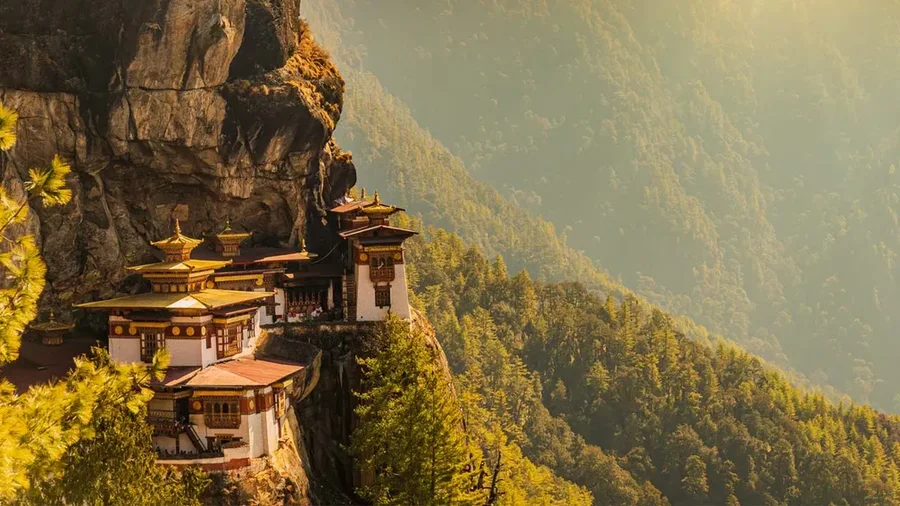
Since the 1970s, Bhutan has built its state philosophy around the concept of Gross National Happiness . In other words: a country's success is not measured only by how much the economy grows, but also by what happens to its culture, nature, well-being, and the daily lives of its people.
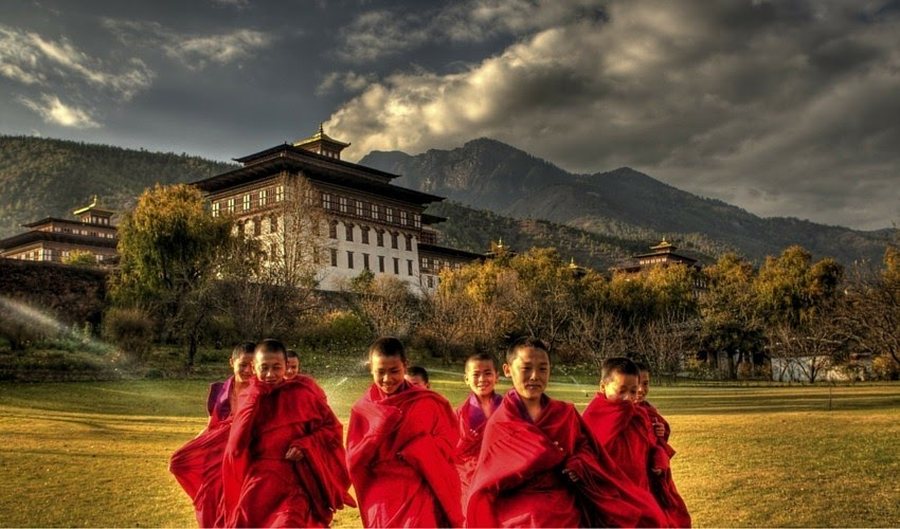
Tourism is also built on this logic. Bhutan has been promoting the High Value, Low Volume model for years : fewer tourists, more value. Today, most international visitors pay a sustainable development fee of $100 per person, per night. According to Bhutan’s official tourism website, these funds are used for economic, social, environmental and cultural development, including free healthcare and education, preservation of traditions and investment.
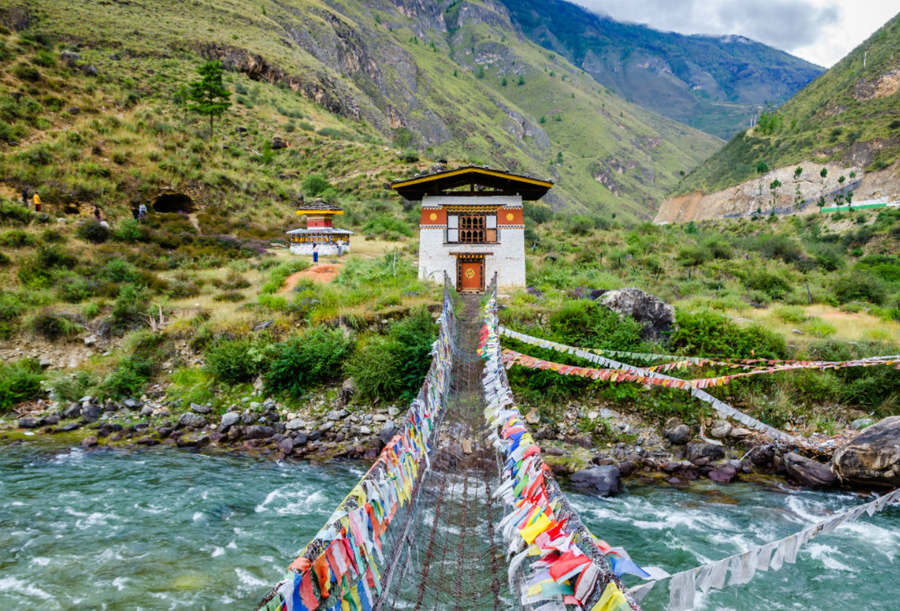
This is not to say that Bhutan is the happiest country in the world, because no country is. But it has made a choice that many countries avoid: it has not treated tourism as a race for numbers, but as a relationship between the visitor, the place and the resident. The tourist may go, but he does not take the place with him, he does not change it to his taste, he does not become the yardstick by which the future of the locals is measured.
Slovenia: “green” is not a marketing word, but a strategy
Slovenia is a small country, with a very short coastline, about 47 kilometers, and with about 58% of the territory covered by forests. So, if it had wanted to play the classic Balkan tourism game, it could have said “we have a little sea, let's use it as much as we can” or “we have a lot of forests, let's use it as much as we can”. But it did the opposite.
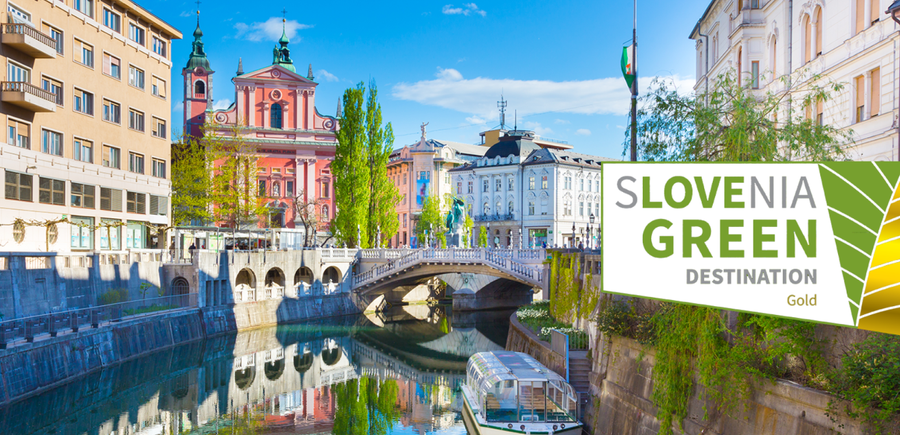
In 2016, Slovenia was declared the “world’s greenest country” on Global Green Destinations Day . The “Slovenia Green” program certifies destinations and tourism businesses that prove they operate with measurable environmental, social and economic standards: from nature protection and waste management, to local community involvement, cultural preservation and real impact on the local economy.
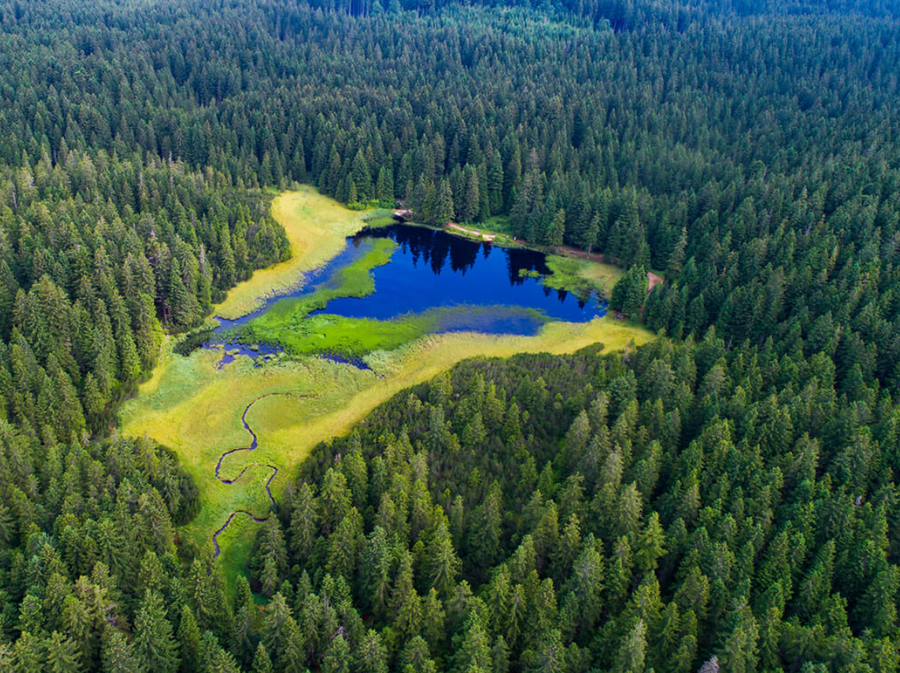
So, Slovenia did not leave "green" as a marketing buzzword, but used it as a certification standard, a way to distinguish who uses nature as decor and who respects it as the foundation of the tourism product.
Ljubljana is also part of the same story. The Slovenian capital has been taking measures for years to limit car traffic in the center and to encourage walking, cycling and public transport. Tourists are not attracted there because they find more concrete, more parking, more noise. They are attracted because the city has decided that quality of life is part of the attraction.
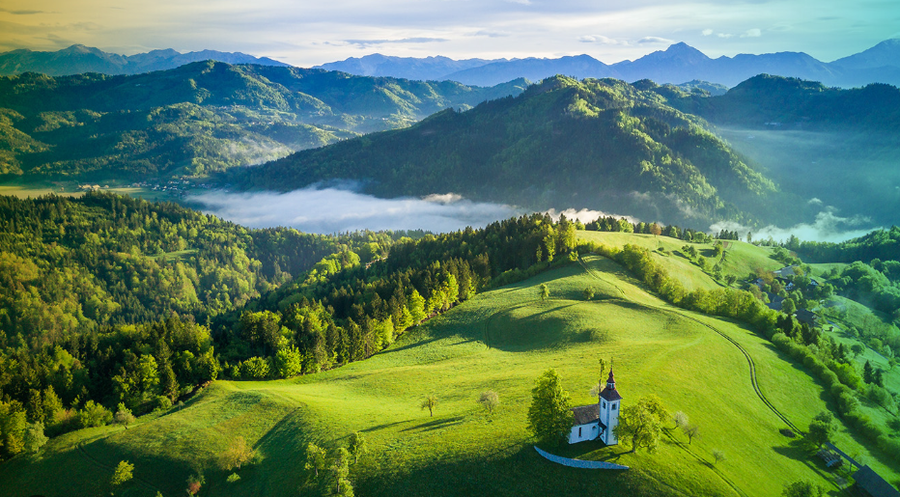
Then there's gastronomy. The "Slovenia Green Gourmet Route" connects green-certified destinations and businesses, turning the trip into a network of local experiences: restaurants, producers, scenery, bicycles, a slower pace. Their idea is not for the tourist to go, consume and leave, but for tourism to feed the country, not just the hotel's bottom line. Source:
Iceland: nature is not an Instagram backdrop
Iceland is another interesting example, because it didn't start out as a perfect model. After the 2008 financial crisis, tourism became one of the most important engines of economic recovery. Numbers grew, but with them so did the pressure on nature: roads, landscapes, fragile places, and small communities were damaged.
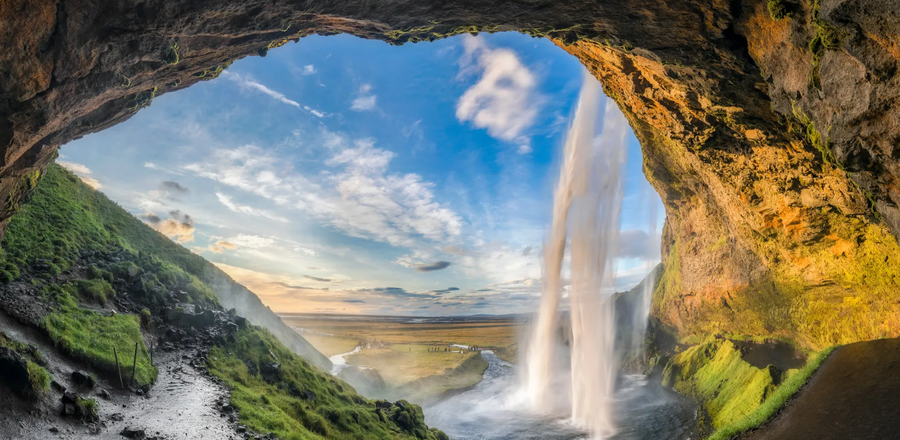
Iceland, unlike many countries that are late in realizing that mass tourism is not always a blessing, has begun to speak openly about its limits. In 2024, Iceland reinstated a tourist tax for hotels and planned to extend it to cruise ship passengers, with the aim of using the revenue for nature conservation and infrastructure.
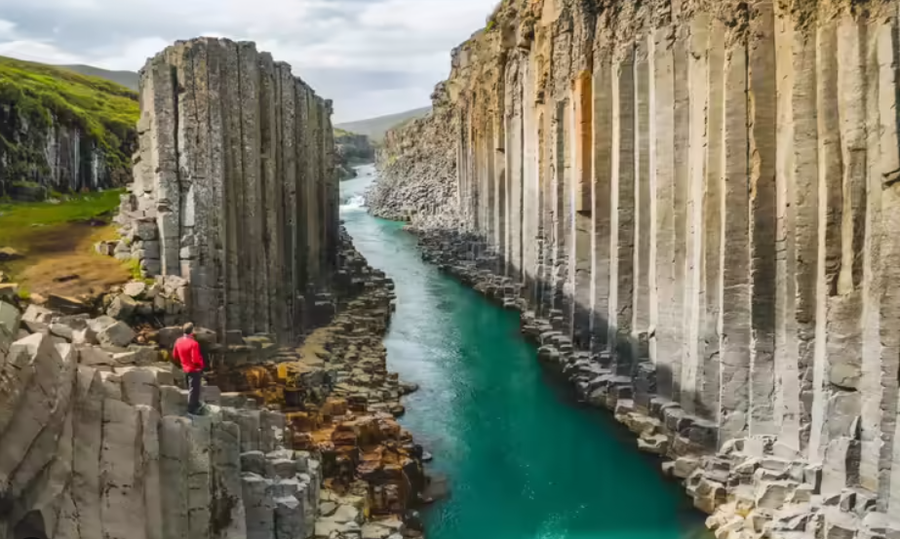
The Icelandic Tourist Board defines tourism as an important pillar of the economy, but taking into account the “capacity” of nature and society. This is the sentence that makes the difference.
And now, Albania
Albania has everything that the modern tourist is looking for today: a sea that has not yet completely turned into resort decor, mountains that still retain their ruggedness, villages that are still authentic, food that does not need much marketing, history that does not begin with the tourist season and does not end in September.
But Albania has something else: a great hunger for “development,” often without a serious discussion about what kind of development we want.
Law No. 21/2024 amended the law on protected areas, opening the door to the possibility of infrastructure and tourism projects even within protected areas, including luxury complexes in areas that previously had stronger protection.
Not every foreign investment is bad and not every luxury hotel is a threat. Of course, Albania must remain poor to be “authentic.” The problem is when luxury becomes a national strategy before the country has established its own borders.
Because a luxury resort, a resort somewhere else, a big project, can be part of a vision, but they cannot be the vision itself. This is because it cannot be the investor who gives meaning to the place, it cannot be the hotel who determines the value of the island, it cannot be the tourist who determines what deserves to be preserved and what deserves to be built.
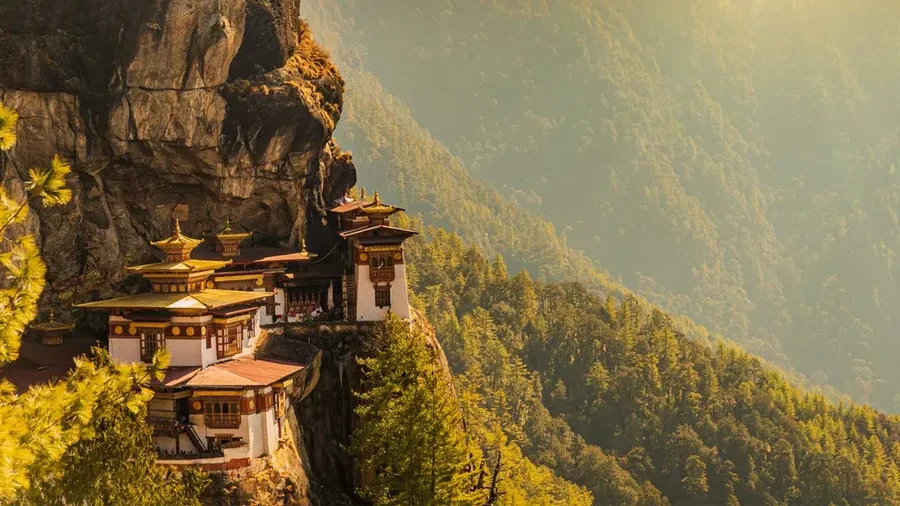
Bhutan decided that happiness and culture are not luxuries. Slovenia decided that green is not an image, but a policy. Iceland decided that nature has capacity, therefore it also has limits. These three countries are not “anti-luxury” countries. Bhutan has Aman, Six Senses, COMO, etc.;
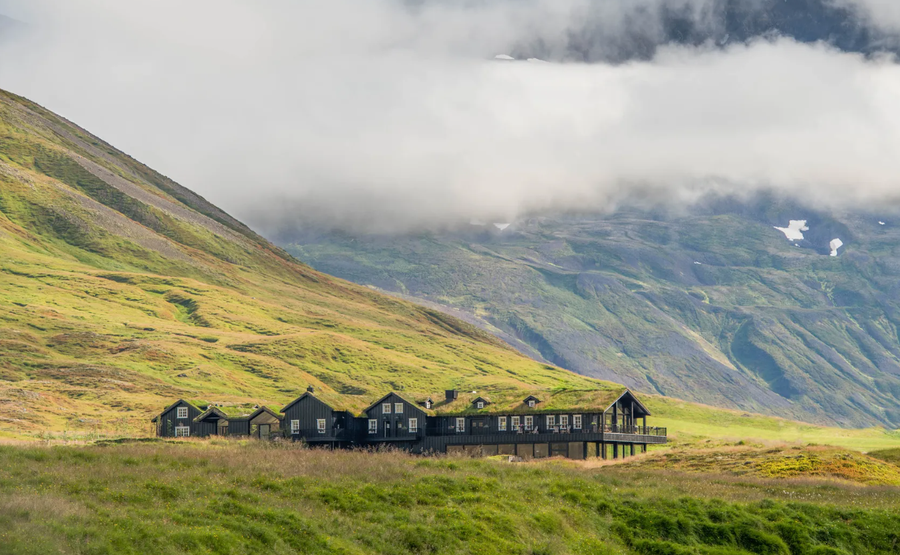
Iceland has The Retreat at Blue Lagoon, Deplar Farm or The Reykjavik EDITION;
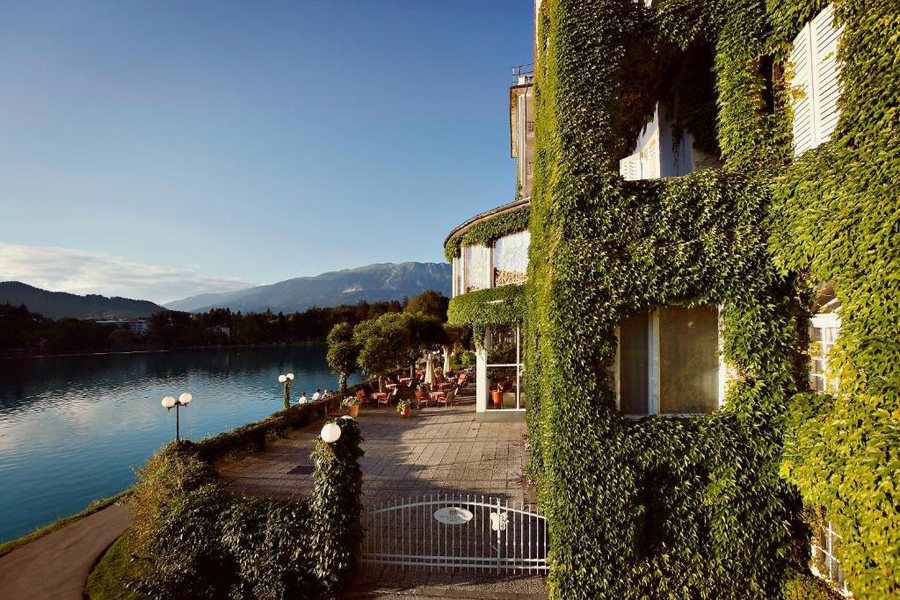
Slovenia has historic and boutique hotels with high standards. The difference is elsewhere: these countries have not let luxury become the owner of national identity. Luxury exists, but within borders, within the idea that nature and identity are not simply land to be developed, but the reason why tourists come there in the first place.
Albania must decide something equally simple: will it be a country that uses beauty to build the future, or a country that gives beauty as a guarantee for the next investment?
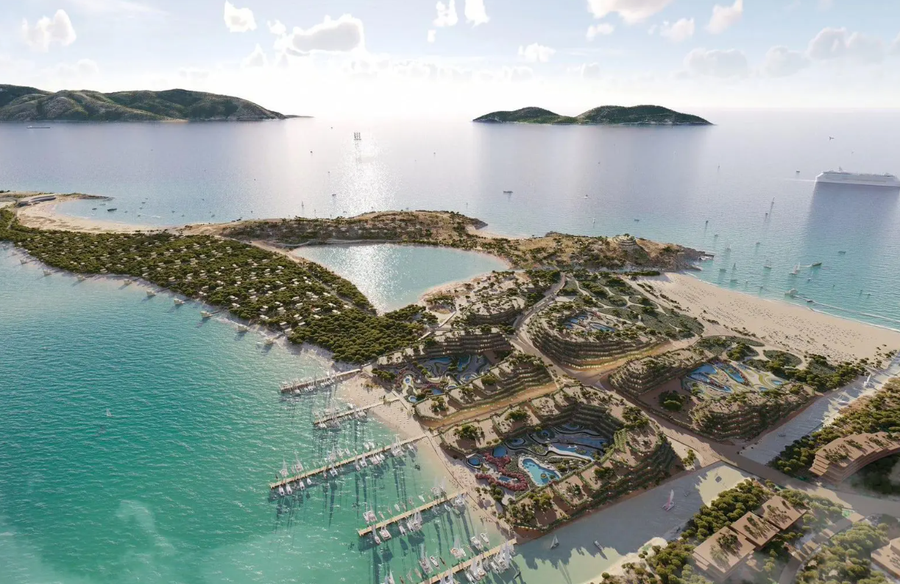
We should not discuss “How much money does Sazani bring?”, “How much money does Zvërnec bring us”, “How much money will a future resort in the mountains bring us”, etc. Simply put: “After 20 years, will Sazani, Zvërnec, Rrjolli, etc. still belong to Albania?”. Here we are not talking about official papers and borders, but about the feeling, about the memory, about the right to enter these places. About the right not to feel like a visitor in your own home.